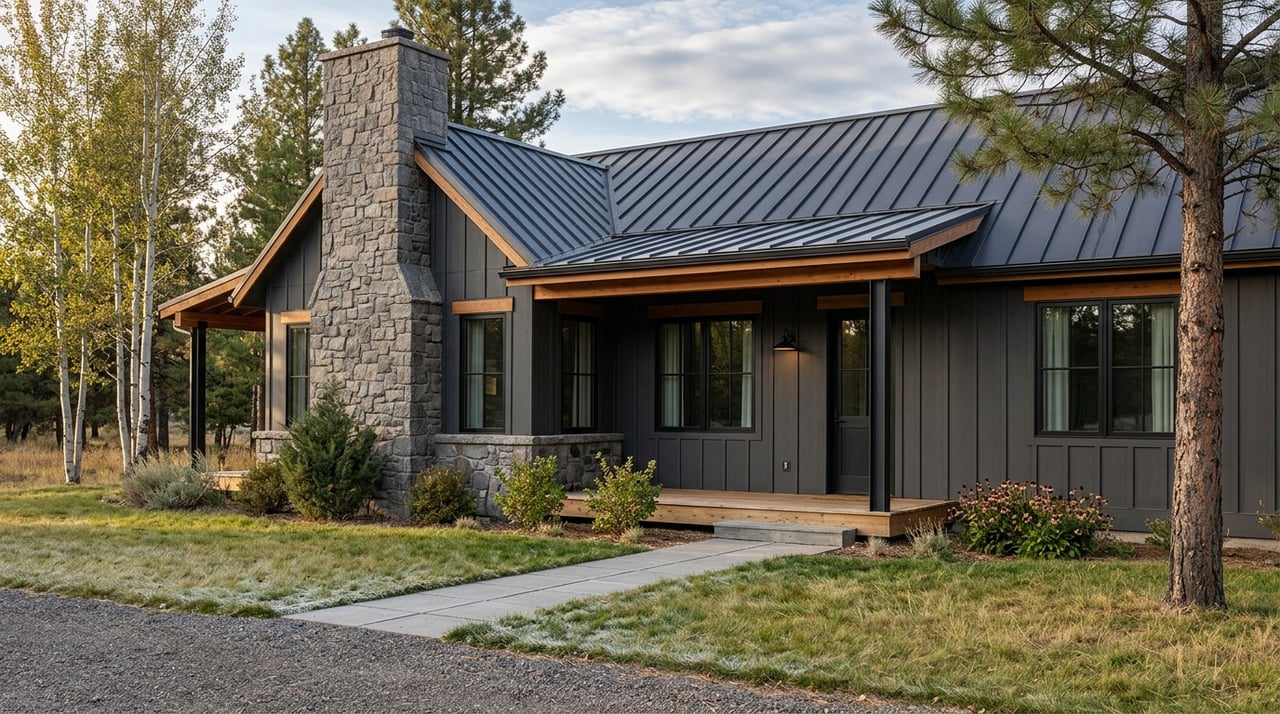
Spearfish Canyon Living Through Every Season
June 11, 2026
June 11, 2026
If you picture Spearfish Canyon as just a pretty drive, you are only seeing part of the story. Everyday life here is shaped by weather shifts, changing traffic, and a steady rhythm of outdoor access that looks different in spring, summer, fall, and winter. If you are thinking about moving to the area or buying a home nearby, understanding that seasonal pattern can help you choose a property that truly fits the way you want to live. Let’s dive in.
Spearfish Canyon is a scenic corridor along US 14A between Spearfish and Cheyenne Crossing. The drive runs about 20 to 22 miles, and the Forest Service says it takes roughly 40 minutes without stops.
That short distance packs in a lot of elevation change. The canyon rises from about 3,800 feet to around 5,300 feet, with limestone cliffs, creek-side views, and a route closely tied to Spearfish at the north end.
That setting shapes daily life in practical ways. A quick drive, a trail stop, or a scenic errand can feel very different depending on the month, the weather, and where you are along the corridor.
Spearfish Canyon is not a mild, same-all-year place. Spearfish climate normals show an annual mean temperature of 46°F and annual snowfall of 70.5 inches, so the seasons play a real role in how you plan your week and your home needs.
For many buyers, that is part of the appeal. You get a lifestyle that changes with the calendar, with each season bringing its own routines, views, and pace.
Spring in the canyon feels like a transition season in the truest sense. Mean temperatures rise from 35°F in March to 44°F in April and 53°F in May, but snow can still be part of the picture in March and April.
That means daily plans often stay flexible. Because the canyon climbs and drops across a wide elevation range, road and trail conditions can shift quickly, so many locals learn to check conditions and adjust on the fly.
In everyday life, spring often means watching the weather, taking advantage of milder afternoons, and easing back into regular trail time. It is a season that rewards flexibility more than strict plans.
Summer is when the canyon feels busiest and most active. June through August brings mean temperatures of 63°F, 71°F, and 70°F, with essentially no snowfall.
It is also the prime season for hiking, biking, picnicking, fishing, and scenic drives. The Forest Service notes that the byway is a high-traffic travel route, especially in summer, so your timing can matter if you prefer a quieter outing.
June is the wettest month on the climate normals, with 4.23 inches of precipitation. That can mean green scenery and full waterfalls, but it also adds another reason to think about drainage, driveway conditions, and outdoor usability if you are shopping for property nearby.
Fall is one of the signature seasons in Spearfish Canyon. Mean temperatures cool from 61°F in September to 47°F in October and 36°F in November, and the changing leaves become a major draw.
The Forest Service highlights the canyon as a favorite fall-color drive, especially when the aspen changes in September. Late September and early October are known for traffic, scenic pull-offs, and frequent photo stops.
For everyday life, fall can be both beautiful and busier. If you love easy access to color, crisp air, and scenic drives, this season is hard to beat. If you prefer less road activity, a property set farther from the main corridor may feel more peaceful during peak viewing times.
Winter brings a quieter but very real version of canyon living. December through February averages about 27°F, 26°F, and 27°F, with monthly snowfall of 14.9, 8.2, and 12.7 inches.
The canyon remains part of year-round life, but winter access changes in some places. Spearfish Canyon Nature Area stays open all year, while FS Road 222 from Savoy to Roughlock Falls closes from December 15 through March 31 during snowmobile season. The trail from Spearfish Canyon Lodge to Roughlock Falls remains open year-round.
Winter routines often shift toward snow travel and quieter access. The broader area near Spearfish also offers more than 300 miles of snowmobile trails, cross-country ski trails, and a downhill ski area near Lead, which helps keep the outdoor lifestyle going even when the canyon is fully in snow season.
One of the best things about life around Spearfish Canyon is that recreation does not have to be a major event. It often happens in short outings that fit into a normal day or weekend.
The area supports birdwatching, wildlife viewing, fishing, hiking, picnicking, snowmobiling, snowshoeing, and scenic drives. The Forest Service also points to biking and campgrounds as part of the canyon experience.
Signature stops like Roughlock Falls, Spearfish Falls, Savoy Pond, and Bridal Veil Falls help define the area, but the lifestyle is bigger than any single landmark. What stands out most is how recreation changes with the season, not just where you go.
If you are considering a home in or near Spearfish Canyon, the seasonal lifestyle should shape your home search. A house that feels perfect in July may raise different questions when you picture January, spring runoff, or fall traffic.
That is why it helps to look beyond views alone. The right property should support the way you want to live through all four seasons.
Because the area sees cold temperatures and substantial snowfall, many buyers place extra value on practical features that support winter living. Garages, protected parking, efficient heating, good insulation, and reliable snow removal often move higher on the priority list.
These are not flashy features, but they can make a big difference in day-to-day comfort. If you plan to live in the area full-time, winter usability is worth thinking through early.
Homes near the main byway can offer quick scenery and easy access to trails and favorite stops. At the same time, the route is especially busy in summer and heavily used during fall color season.
That creates a natural trade-off. Some buyers love being close to the energy of the canyon, while others prefer a setting farther off the corridor for a quieter feel.
Creekside or view-oriented properties can be especially appealing in Spearfish Canyon. Still, the geography calls for careful attention to driveway grade, drainage, and year-round access.
That is a practical takeaway from the canyon’s steep elevation range, its connection to Spearfish Creek, and the area’s documented flood history tied to the 1933 railroad abandonment. Beauty matters, but so does how a property functions in changing conditions.
Homes in this area often benefit from features that work across the full temperature swing. Large windows, outdoor living space, and good shade or ventilation can improve summer comfort, while insulation and efficient heating matter in winter.
When you look at a property, it helps to ask a simple question: will this home still fit my routine in every season? In a place like Spearfish Canyon, that answer matters as much as curb appeal.
Spearfish Canyon is a lifestyle-driven market in many ways. Buyers are often choosing not just a home, but a pattern of living that includes scenic drives, seasonal recreation, changing road conditions, and different levels of activity throughout the year.
That is where local insight becomes valuable. When you understand how the canyon feels in peak summer, late fall, and midwinter, it becomes much easier to narrow in on the right fit for your goals.
If you are exploring Spearfish Canyon or the surrounding Black Hills area, working with someone who knows the rhythm of the region can help you make a more confident move. When you are ready to talk through neighborhoods, lifestyle priorities, or the kind of property that fits your vision, connect with Falina Selchert to start living your vision.

Get assistance in determining current property value, crafting a competitive offer, writing and negotiating a contract, and much more. Contact Falina today.