Spearfish Canyon Second Home Guide for Smart Buyers
July 9, 2026
July 9, 2026
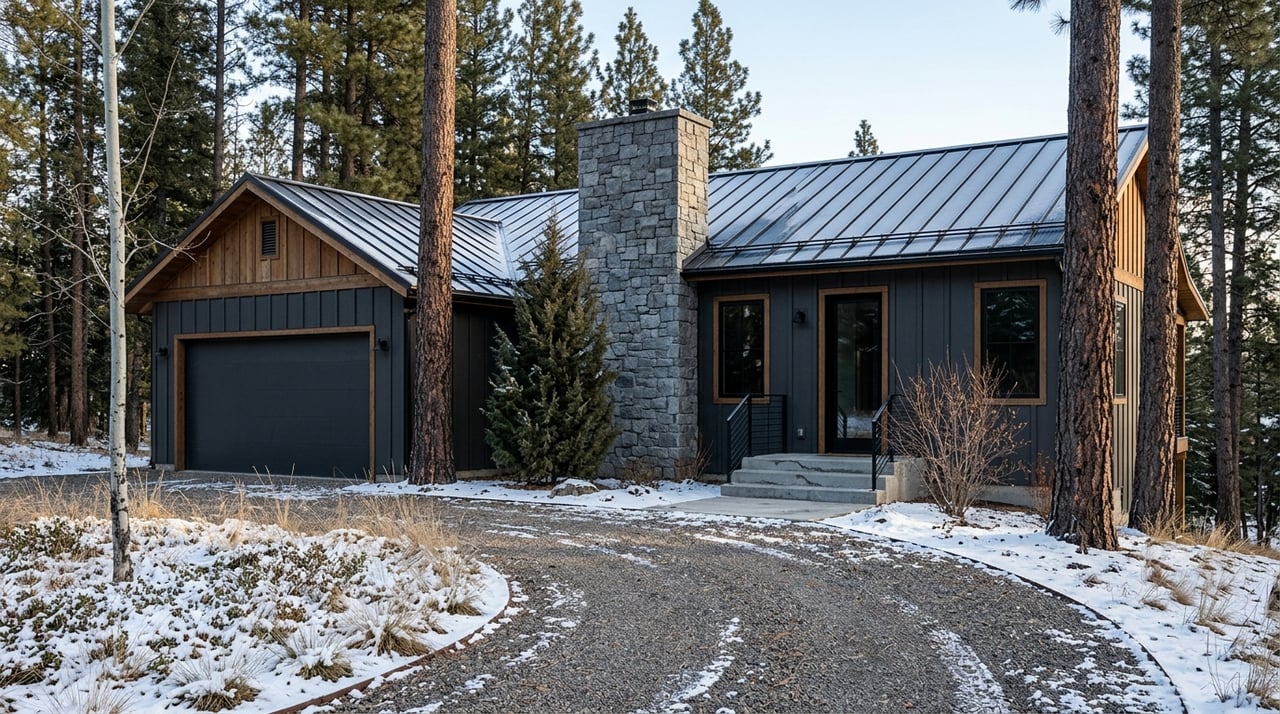
A second home in Spearfish Canyon can feel like the dream you have been picturing for years: creek sounds, quick access to trails, and a cabin that gives you a true Black Hills escape. But canyon ownership also comes with practical details that matter long before closing day. If you are thinking about buying a second home or cabin in Spearfish Canyon, this guide will help you understand the lifestyle, the property checks, and the local rules that can shape a smart purchase. Let’s dive in.
Spearfish Canyon is one of the Black Hills’ best-known scenic areas, and for good reason. The scenic byway is about 19 to 22 miles long and runs through the northern Black Hills along Spearfish Creek, with canyon walls, limestone cliffs, and access from I-90 Exit 10 in Spearfish or from the US 85 junction near the south end.
For many buyers, the appeal is less about commute convenience and more about how you want to spend your time. Official tourism and Forest Service sources highlight waterfalls, fly-fishing, hiking, fall color, winter snowshoeing, and seasonal ice displays, which makes the canyon a strong fit for people shopping for a lifestyle property.
The surrounding recreation options are also unusually broad for a smaller market. The Northern Hills Ranger District notes access to more than 300 miles of snowmobile trails, groomed and ungroomed cross-country ski trails, the 100-mile Centennial Trail, the 110-mile Mickelson Trail, and a downhill ski area near Deadwood.
A Spearfish Canyon cabin often offers a very different ownership experience than an in-town second home. Terrain, drainage, seasonal access, private systems, and vegetation management can all play a larger role in your budget and maintenance plan.
That does not mean canyon ownership is complicated by default. It means you should evaluate each property for how it functions in real life, not just how it looks in listing photos.
A useful bit of local history supports that mindset. The byway follows an old railroad grade that was abandoned after major flooding in 1933, which is a reminder that water and terrain are part of the canyon story and part of cabin due diligence today.
Because the byway runs along the canyon bottom, access can be very site-specific. A driveway that seems simple on first showing may involve drainage concerns, grade issues, snow management, or county approval requirements depending on the parcel.
Lawrence County requires a private approach permit to build a new approach from a county highway. The permit process includes a preconstruction inspection, culvert sizing, sight-distance standards, and owner responsibility for construction and maintenance.
The county also states that utilities or improvements within a county right-of-way, including approaches, must be approved before installation. If you are looking at raw land, a remodel, or a property with plans for future improvements, this is an important item to discuss early.
Before you move forward, ask questions like:
Many second-home buyers in Spearfish Canyon are looking at properties that rely on private systems. That makes water and wastewater due diligence a normal part of the buying process, especially if you are considering older cabins or vacant land.
For septic, Lawrence County says a permit is required first, followed by a design from a registered professional engineer before a building permit is issued. The county also notes that wastewater systems must be designed by a state-licensed engineer and installed by a state-licensed installer.
For wells, the South Dakota Department of Health offers testing sample bottles for bacteria, nitrate, lead, new wells, and other tests. In a rural or cabin setting, water testing is a practical step to help you better understand the property you are buying.
When you tour a property, it helps to clarify:
Creekside living is part of what makes Spearfish Canyon so appealing, but it can also affect what is possible on a property. If a lot is near Spearfish Creek, you should check floodplain status parcel by parcel rather than assume it is straightforward to build on, add to, or remodel.
Lawrence County’s zoning ordinance designates a floodplain administrator, and the county form center notes that floodplain permits can involve roads, bridges, culverts, stream-channel changes, and water, septic, or sewer systems. That means floodplain review may reach beyond the main house itself.
The South Dakota Department of Public Safety also notes that flood insurance is available to homeowners in NFIP communities. For some buyers, that may become part of the long-term carrying cost conversation depending on the property location and lender requirements.
In the Black Hills, wildfire planning is part of responsible homeownership. Forest Service homeowner guidance recommends Firewise-style mitigation, including clearing dead wood and dense vegetation at least 30 feet from the home, with defensible space that may extend 30 to 100 feet depending on terrain, construction materials, and vegetation.
For a second home, this matters even more if the property may sit vacant between visits. Tree thinning, roof and gutter cleanup, and ongoing landscape maintenance are not just nice ideas. They are recurring ownership tasks that help protect your home.
A realistic second-home budget should include:
A weekend cabin can still fall under the same local permit structure as a full-time home. In Lawrence County, building permits are required for new construction, additions, decks, replacement decks, and moving buildings.
The county also says contractor licensing is required. In addition, the county FAQ explains that an occupancy permit documents required inspections and is commonly required by lenders to complete a loan.
If you are buying with plans to update a deck, enlarge the cabin, move a structure, or make larger improvements, these rules should be part of your planning from day one. A property marketed as a simple retreat may still need permits, inspections, and lender documentation before your plans can move forward.
Tax treatment is another area where second-home buyers should go in with clear expectations. South Dakota states that owner-occupied status is for a primary residence, so a second home generally will not qualify for that classification.
Lawrence County also states that real estate taxes are paid one year in arrears. For property tax questions, the county directs owners to the county treasurer, while assessed-value questions go to the county director of equalization.
For buyers comparing a primary home purchase to a cabin purchase, that distinction matters. It can affect how you estimate annual carrying costs and how you evaluate long-term affordability.
The purchase price is only part of the financial picture. Canyon properties can come with extra one-time costs and recurring costs that are worth identifying before you write an offer.
Here is a simple way to think about it:
| Cost Type | Common Examples |
|---|---|
| One-time costs | Purchase price, driveway or approach work, culverts and drainage improvements, septic design and permit fees, possible floodplain engineering review, well testing or repairs |
| Recurring costs | Property taxes, homeowners insurance, flood insurance if applicable, septic pumping, well maintenance, vegetation management, seasonal upkeep |
If you are looking at multiple cabins, compare them by total ownership profile, not just sticker price. A lower-priced property may need more work on access, drainage, private systems, or ongoing maintenance.
For the right buyer, owning in Spearfish Canyon can be a great fit. You get a property tied to recreation, scenery, and a slower pace, with year-round outdoor access that is hard to replicate elsewhere in the region.
At the same time, the strongest purchases usually happen when you treat the cabin like both a lifestyle decision and a property systems decision. Access, floodplain status, private utilities, permits, and maintenance planning all deserve a close look.
If you want local guidance as you compare cabins, land, or second-home opportunities in the Black Hills, Falina Selchert can help you evaluate the details that matter and move forward with confidence.

Get assistance in determining current property value, crafting a competitive offer, writing and negotiating a contract, and much more. Contact Falina today.