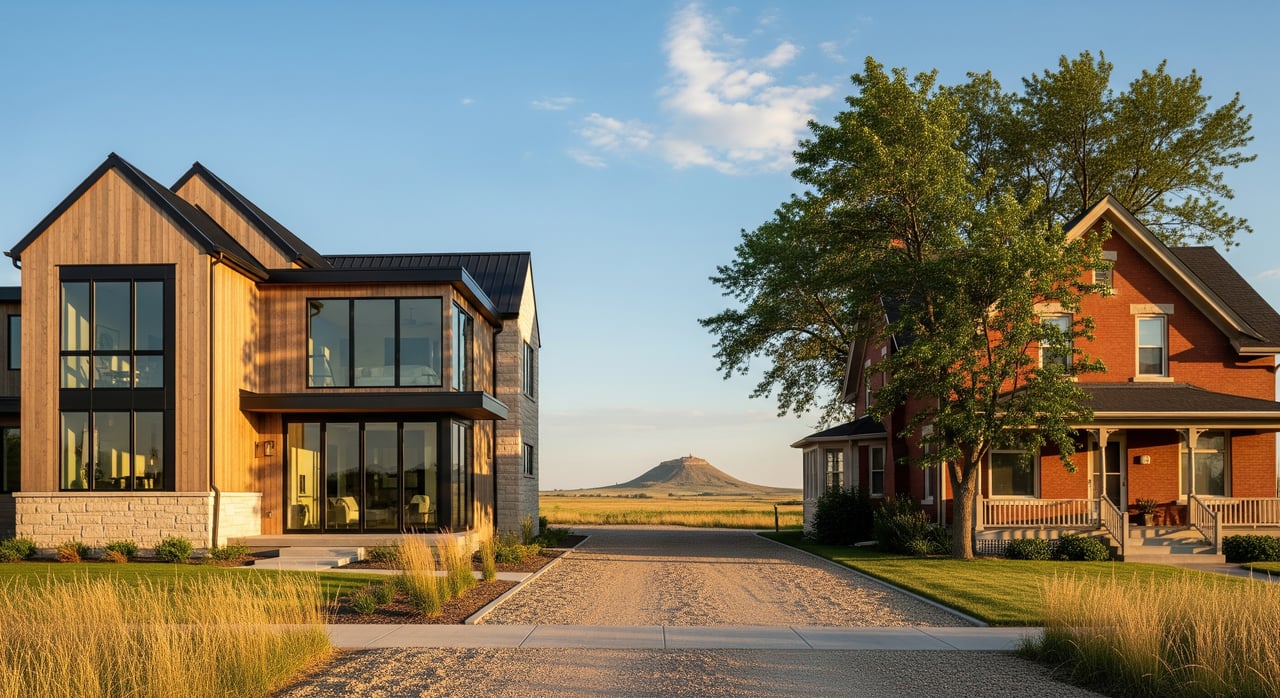
Wondering if a brand-new build or a move-in-ready resale is the smarter play in Belle Fourche? You’re not alone. Your decision comes down to budget, timing, utilities, and how hands-on you want to be. In this guide, you’ll learn how costs break down, what timelines look like, and which local factors matter most in Butte County. Let’s dive in.
New build vs resale at a glance
- Choose new construction if you want modern design, energy efficiency, and the chance to personalize. Expect a longer timeline and more upfront decisions.
- Choose resale if you want established neighborhoods, quicker move-in, and predictable costs. Expect to budget for maintenance and updates.
Total cost: what really drives it
When you compare new construction and resale, look beyond list price. Total cost includes land, site work, utilities, permits, financing, and long-term operating expenses.
New construction cost factors in Belle Fourche
- Land and lot prep. If you’re outside city limits, you may need a well and septic system, along with soils and percolation tests. Rocky soils and shallow bedrock in parts of western South Dakota can increase excavation and foundation costs.
- Utilities and hookups. In-town lots typically connect to city water and sewer. Rural or edge-of-town lots may require private systems and longer electrical service runs. Natural gas may not be available in all areas; propane or electric heating can affect energy costs.
- Permits and soft costs. Plan fees, engineering, builder overhead, and permit or impact fees add up. Factor in surveys, potential platting, and any subdivision requirements.
- Contingency and changes. It’s smart to keep a 5–15% contingency for change orders and unknown site conditions.
- Financing. Construction loans carry interest during the build and draw schedules with lender approvals. You may also incur conversion fees when you switch to permanent financing.
- Finishes and exterior. Landscaping, fencing, decks, window coverings, and appliances are often separate from base pricing.
Resale cost factors
- Purchase price and updates. The home is largely complete, but you may want to budget for system upgrades or cosmetic changes.
- Inspections and repairs. Your inspection may uncover plumbing, electrical, roof, or septic items to negotiate or fix.
- Closing and holding costs. Title, escrow, appraisal, and loan fees apply. Property taxes and assessments affect monthly carrying costs.
Local considerations that affect both
- Climate and design. Snow and wind load requirements influence materials and HVAC sizing. Proper insulation and mechanicals are key to comfort and utility bills.
- Lot size and location. Larger rural lots can be cheaper per acre but cost more for site work and utility extensions. Subdivision lots may have assessments for roads and utilities.
- Property taxes and assessments. Butte County tax rates and any local assessments impact your annual costs. Confirm with county offices before buying.
Timelines and seasonality
Timing is one of the biggest differences between new construction and resale in Belle Fourche.
Resale timeline
- Offer to close. Typically 30–60 days, depending on financing, title work, and contingencies.
- Inspections and appraisal. Home inspections usually happen in the first 7–14 days. Appraisal timing depends on lender volume.
- Move-in. Often immediate after closing, unless there is a negotiated occupancy period.
New construction timeline
- Design and permitting. Expect 4–12+ weeks, depending on plan complexity and local review times.
- Site work and foundation. Typically 2–6 weeks, longer if excavation is difficult or weather delays occur.
- Framing to finishes. From framing through mechanicals, insulation, drywall, and finishes, plan for several months of sequential work.
- Overall duration. A production or semi-custom home often runs 6–12 months from permit to move-in. Fully custom or specialty materials can push timelines to 12–18+ months.
Local timing realities
- Winter slowdown. South Dakota winters can pause exterior work and affect scheduling. Spring and summer are busy, so build in buffer time.
- Contractor availability. Smaller markets may have fewer trades available, which can extend timelines. Specialized trades like well drillers and septic installers often book weeks in advance.
- Utility coordination. Electrical extensions or sewer main improvements can become the critical path, depending on location.
Warranties, inspections, and risk
Your protections look different with a new build compared to a resale home.
Resale protections
- Inspections and disclosures. You typically order a home inspection and may add septic, pest, or radon tests as relevant. Sellers provide required disclosures, and title insurance protects against ownership issues.
- Optional home warranty. A one-year home warranty can cover select systems and appliances, but terms vary.
- Risk profile. Resales can carry unknown or latent defects, so contingencies and a thorough inspection are essential.
New construction protections
- Builder warranties. Industry norms often include 1-year coverage for workmanship and materials, 2–5 years for major systems, and up to 10 years for structural components. Verify exact terms with your builder and whether coverage is through a third party.
- Walkthrough and punch list. You will conduct a pre-closing walkthrough. Many items are handled under warranty post-close.
- Builder vetting. In smaller markets, confirm licensing, insurance, references, and financial stability. Ensure contracts address lien waivers and final lien releases to protect against mechanic’s liens.
Utilities and the site: in-town vs rural
Your lot’s location in or outside Belle Fourche city limits shapes both cost and lifestyle.
In-town advantages
- City services. In-town parcels typically have access to city water and sewer. Confirm connection availability and any fees before you buy.
- Shorter utility runs. Electrical service and broadband are often easier to access in established neighborhoods.
Rural realities
- Private systems. Expect to permit and install a well and septic system, guided by county health requirements. Soil and percolation tests set system type and cost.
- Heating fuel. Natural gas may be unavailable in some areas. Plan for propane or electric systems and compare operating costs.
- Connectivity. Broadband varies in rural Butte County. Check service for the specific parcel if remote work is a priority.
Site checks to complete
- Soil and drainage. Order soils and percolation testing, and confirm drainage patterns and any floodplain impacts.
- Easements and setbacks. Utility easements and building envelopes limit where you can build.
- Road access and maintenance. Some subdivisions have private roads with HOA or POA responsibilities and assessments.
Covenants, zoning, and what you can build
Rules can vary widely in and around Belle Fourche. Review recorded covenants, conditions, and restrictions for any subdivision. Architectural controls may address exterior materials, fencing, building size, and landscaping. Also verify zoning and permitted uses, including accessory buildings or home businesses, with the city or county depending on location. Always confirm plat notes for building envelopes and potential future road dedications.
Vendor coordination in a smaller market
Building requires a coordinated team. In smaller markets like Belle Fourche, plan for careful scheduling.
- Limited vendor pool. You may work with local specialists or bring in trades from nearby cities, which can add mobilization costs.
- Material lead times. Windows, specialty doors, HVAC equipment, and cabinetry can take longer to arrive during peak seasons.
- Service after the sale. Confirm local service support for HVAC, appliances, and other systems for warranty work.
Practical tips
- Get multiple bids and references from local builders and trades.
- Verify licensing, insurance, and lien release practices in contracts.
- Build schedule buffers for winter and material lead times.
- Use a written change order process and keep a contingency budget.
Decision roadmap: how to choose
Use this simple checklist to focus your choice.
- Location first. Confirm if the property is within Belle Fourche city limits or in unincorporated Butte County. City services vs private systems will shape your cost and timeline.
- Utilities confirmed. Verify water and sewer availability and hookup fees for in-town lots. For rural parcels, start with soils and percolation testing.
- Timeline clarity. If you need to move within 60 days, a resale is often a better fit. If you can plan 6–12 months and want customization, a new build works.
- Budget structure. For new builds, plan for land, site work, soft costs, contingencies, and construction loan interest. For resales, reserve funds for updates and immediate maintenance.
- Warranty tolerance. If warranty coverage matters most, confirm the builder’s specific coverage and term lengths. For resales, consider a home warranty and thorough inspections.
- Rules and lifestyle. Review CC&Rs and zoning for any planned outbuildings, RV storage, home business needs, or exterior materials.
How an expert local agent helps
A local advocate makes every step smoother, whether you build or buy resale.
- Pricing and comps. Get realistic pricing using recent comparable sales for both new builds and resales to set your budget.
- Lot and land due diligence. Confirm utilities, soils, setbacks, easements, and covenants before you commit to a parcel.
- Builder and vendor introductions. Meet vetted builders, well drillers, septic installers, and inspectors with local track records.
- Timeline and contract guidance. Map out milestones, change order procedures, draw schedules, and warranty terms before you sign.
- Negotiation and closing. For resales, negotiate repairs, occupancy, and timelines. For new builds, align allowances, upgrades, and punch list items in writing.
Ready to compare options in Belle Fourche with clarity and confidence? Connect with Falina Selchert to map your timeline, budget, and next steps.
FAQs
How much more does new construction cost than resale in Belle Fourche?
- It depends on lot location, site conditions, finishes, utility needs, and market timing, so get local builder bids and compare them with recent resale comps before deciding.
How long will it take to build a home in Belle Fourche?
- A typical production or semi-custom build takes about 6–12 months from permit to move-in, with winter weather, materials, and contractor schedules potentially extending timelines.
Will my lot have city water and sewer or require well and septic?
- In-town lots usually connect to city systems, while rural parcels often need a private well and septic system, so confirm location and service availability before you buy.
What warranties do local builders provide?
- Many builders follow industry norms like 1-year workmanship, 2–5 years for major systems, and 10-year structural coverage, but you should verify terms, providers, and transferability.
How do CC&Rs and zoning affect what I can build?
- Covenants can guide exterior materials, fencing, and building size, while zoning dictates permitted uses; review recorded documents and confirm rules with city or county offices.
Can I get a construction loan and how does it work?
- Construction loans fund the build through draws and accrue interest during construction, then typically convert to permanent financing, so plan for draw schedules and conversion timing.