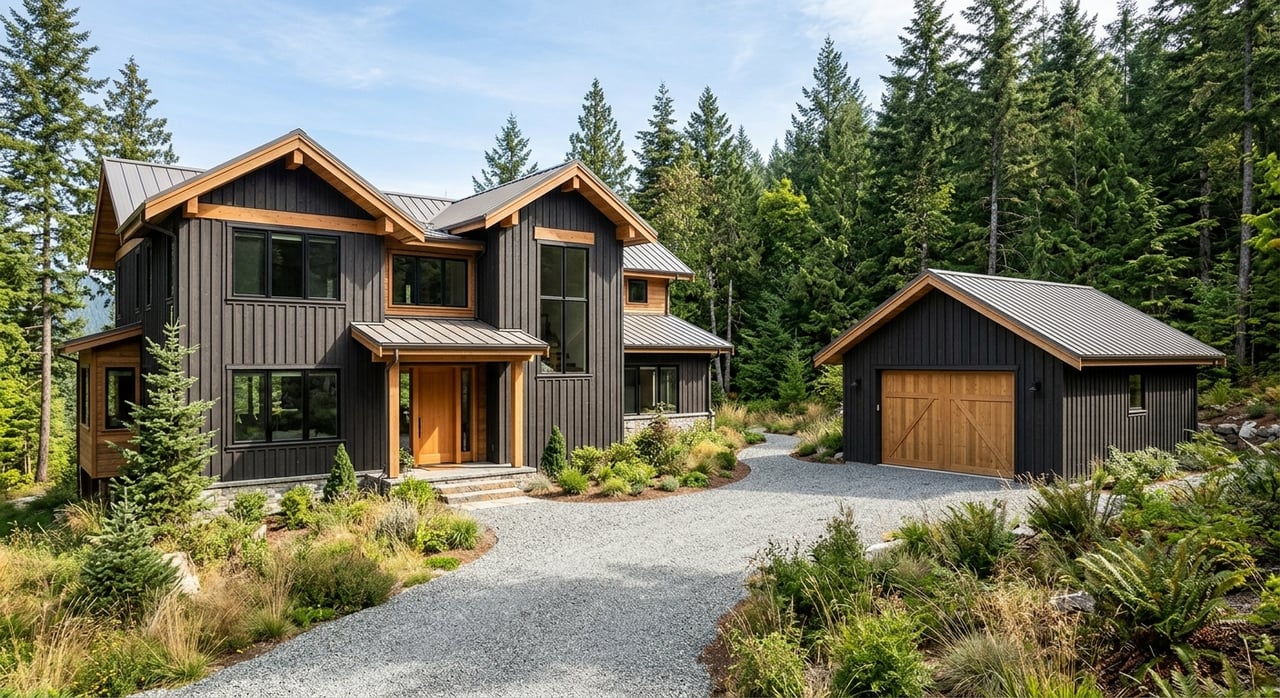
Belle Fourche Acreage Properties Buyer Guide
May 14, 2026
May 14, 2026
Dreaming about a little more elbow room near Belle Fourche? Whether you want space for a shop, a few animals, or a home site with room to breathe, acreage and hobby properties can offer a very different experience than an in-town lot. The key is knowing what to look for before you fall in love with the view. This guide will walk you through how acreage works near Belle Fourche, what to check before you buy, and how to make a smarter move with fewer surprises. Let’s dive in.
Around Belle Fourche, “acreage” can mean more than one thing. In the city’s zoning framework, the Rural Residential District is designed for large-lot detached homes with light agricultural accessory uses and requires a minimum lot area of 80,000 square feet. The Agricultural District is intended for land on the urban fringe that remains agricultural and requires a 20-acre minimum.
In practical terms, a small-acreage search near Belle Fourche often includes properties from roughly 2-acre rural-residential lots to 20-acre-plus agricultural tracts. That range is based on local zoning categories, not a countywide sales definition. If you are shopping online, that is why two listings labeled “acreage” can feel completely different.
Before you think about barns, fencing, or where to park your trailer, start with zoning. Zoning helps determine what uses are allowed on a parcel, how much of the lot can be covered, and what kind of structures may be possible. It also helps you avoid buying a property that does not fit your plans.
Belle Fourche’s Rural Residential District allows light agricultural accessory uses. The city ordinance specifically anticipates uses such as horses, cattle, sheep, goats, llamas, poultry, birds, rabbits, bees, and crops when the parcel is in the right district. That is great news for buyers looking for a hobby-farm setup, but you still need to confirm the exact zoning on the specific parcel.
The Agricultural District can allow an even wider range of uses. According to the city ordinance, permitted uses in that district include agricultural uses, kennels, veterinary clinics, livestock sales, garden centers, accessory dwelling units, and rodeo or fairgrounds. If you want a larger tract with more flexibility, this distinction can matter a lot.
Not every acreage property functions the same way. A 2-acre property may give you room for a home, outbuilding, and some outdoor space, while a 20-acre tract may support a broader agricultural setup. The lot size can shape everything from septic design to fencing needs to how you think about access and maintenance.
Lot coverage is another detail that can affect your plans. Belle Fourche’s Rural Residential District has a 20% maximum lot coverage, while the Agricultural District has a 10% maximum. If you are picturing a house, detached garage, shop, barn, loafing shed, and additional outbuildings, those limits deserve a closer look early in your search.
For many acreage buyers, the outbuildings matter almost as much as the house. You may want a shop for equipment, a barn for animals, or extra covered storage for trailers and tools. The good news is that local code does account for these needs, but details still matter.
On lots larger than 2 acres in the Rural Residential or Agricultural District, certain accessory buildings may extend into the front yard if they are between 300 and 1,000 square feet, permanent, and visually compatible with the dwelling. Even then, those structures cannot intrude into the required front-yard setback for the primary structure. If a building placement is part of your vision, verify the layout before you buy.
Height can also be a factor for barns and shops. Belle Fourche’s ordinance states that agricultural buildings, including barns, silos, and windmills, are exempt from the city’s height limits. That can be especially helpful if you need a taller structure for equipment, hay storage, or larger doors.
You should also remember that city building permits are required for new buildings, enlargements, alterations, moving, or demolition. If a property already has multiple structures, it is smart to ask what was permitted and when.
If your goal is a true hobby property, the land itself matters just as much as the improvements. A pretty pasture is not the same as a functional one. Before you buy, take a close look at fence condition, water access, and how the site is laid out for everyday use.
SDSU Extension notes that fence and water management are core infrastructure on pastureland. Basic perimeter fence placement starts with legal considerations, and natural water sources can change in both quantity and quality during the grazing season. In other words, do not assume a creek or pond will work the way you hope just because it is there on the day you tour.
If a parcel includes a creek, spring, pond, or dugout, verify access and seasonality before you count on it for livestock. SDSU also notes that fencing navigable streams in South Dakota can trigger gate and public-access requirements. That is a great example of why rural property due diligence needs to go beyond the listing photos.
Utilities can be one of the biggest differences between an acreage property and a typical in-town home. Some parcels are ready to go, while others may require more planning and more upfront cost. The farther you get from a standard subdivision setup, the more important these questions become.
In Butte County, a septic permit is required before installing or modifying a wastewater treatment system. The county says these systems generally must be designed and approved by a professional engineer and installed by a state-licensed installer. A 911 address is also required before installation.
There is one important county detail for larger tracts. Butte County states that a single wastewater disposal system on a single parcel of 40 or more acres is exempt from the engineer-design requirement. That does not remove the need for due diligence, but it can affect planning depending on the parcel size.
For wells, South Dakota Water Rights says you need a licensed well driller before drilling or contracting to drill a well. If a water-right permit is required for the intended use, it must be approved before drilling. The state also requires a water sample for each new domestic well drilled.
A beautiful home site does not help much if access is unclear or difficult to improve. On acreage, the road in can be just as important as the structure on the land. This is especially true if you will be hauling trailers, feed, equipment, or construction materials.
Butte County’s highway department maintains more than 800 miles of county roads and handles cattle guards, culverts, and bridges. The county’s subdivision checklist also calls for highway approach approval, utility availability letters, and written water and wastewater reports. Those details are a reminder that access is a planning issue, not just a convenience issue.
If you are looking at vacant land or a property that may be improved later, ask direct questions about the driveway, approach approvals, and year-round usability. A parcel can look straightforward on a map and still need additional approvals or work on the ground.
Before any trenching, fence work, foundation digging, or other excavation begins, South Dakota One Call requires an 811 locate request at least 48 hours before digging. That is one of those small steps that can save you from a very large problem.
Water on a property can be an asset, a risk, or both. That is why floodplain and drainage checks deserve a place on your shortlist before closing. This is not just about insurance. It is also about where you can build, what improvements may be allowed, and how the land functions over time.
Belle Fourche’s zoning ordinance includes a Floodplain Overlay District. Proposed development in that overlay must comply with the city’s floodplain title. FEMA identifies high-risk flood areas as places with a 1% annual chance or greater of flooding, and its Flood Map Service Center is the official source for flood-hazard maps.
Drainage should be part of your in-person tour as well. Walk low spots, look at grading around structures, and ask questions if you see signs of washout, standing water, or erosion. A great acreage property should work in all kinds of weather, not just on a sunny showing day.
One of the most common acreage mistakes is assuming the land can be used a certain way because it “looks” usable. In reality, recorded documents can shape what you can build, where you can access the parcel, and what restrictions apply. That is why title work and public records matter so much with land and lifestyle properties.
Belle Fourche’s planning page directs the public to city ordinances and the GIS map, and the zoning ordinance notes that private easements, covenants, and other private agreements can be more restrictive than zoning. So even if zoning appears to support your plans, private restrictions may still change the picture.
Butte County’s Register of Deeds records deeds, contracts, mortgages, easements, covenants, plats, liens, and related land records. Pulling those documents before closing can help you confirm access routes, understand restrictions, and avoid surprises after the sale.
Some acreage properties near Belle Fourche are part of a subdivision, while others are not. That distinction can affect roads, utilities, covenants, drainage planning, and future flexibility. If the tract is already subdivided or may be subdivided later, the paperwork becomes even more important.
Butte County’s subdivision materials call for legal descriptions, drainage and flood information, covenants, utility and wastewater confirmations, road and approach details, and HOA bylaws when three or more lots are involved. If you are buying with a long-term vision, these details can influence whether the property fits your goals now and later.
When you tour acreage or hobby properties near Belle Fourche, it helps to stay focused on the basics. A home can be updated over time, but some land issues are expensive or impossible to fix. Bring a practical checklist and use it on every showing.
Here are smart items to confirm:
Weed pressure is worth special attention. Butte County has a Weed & Pest office that addresses state and local noxious weeds and infestation complaints, which shows this is a real part of acreage due diligence in the area.
Acreage and hobby properties can be incredibly rewarding, but they are rarely plug-and-play. The best purchase decisions happen when you match the property’s zoning, infrastructure, and recorded documents to the life you actually want to live there. That might mean room for animals, better shop space, a future build plan, or simply more privacy and open sky.
If you are searching near Belle Fourche, local context matters. Two parcels with the same acreage count can come with very different rules, costs, and possibilities. Having the right guidance can help you sort through those differences faster and move forward with confidence.
If you are thinking about buying or selling acreage in the Belle Fourche area, Falina Selchert can help you evaluate the details that matter and find a property that fits your vision.

Get assistance in determining current property value, crafting a competitive offer, writing and negotiating a contract, and much more. Contact Falina today.