Belle Fourche Home Styles And Neighborhood Feel Overview
April 23, 2026
April 23, 2026
If you are trying to picture what it feels like to live in Belle Fourche, the biggest thing to know is this: home style and neighborhood feel can change quickly from one part of town to another. You might be drawn to an older home near the historic core, a more traditional in-town setting, or a property on the edge of town with extra space. This overview will help you understand how Belle Fourche’s housing stock, zoning patterns, and amenity locations shape the living experience so you can narrow down what fits your goals. Let’s dive in.
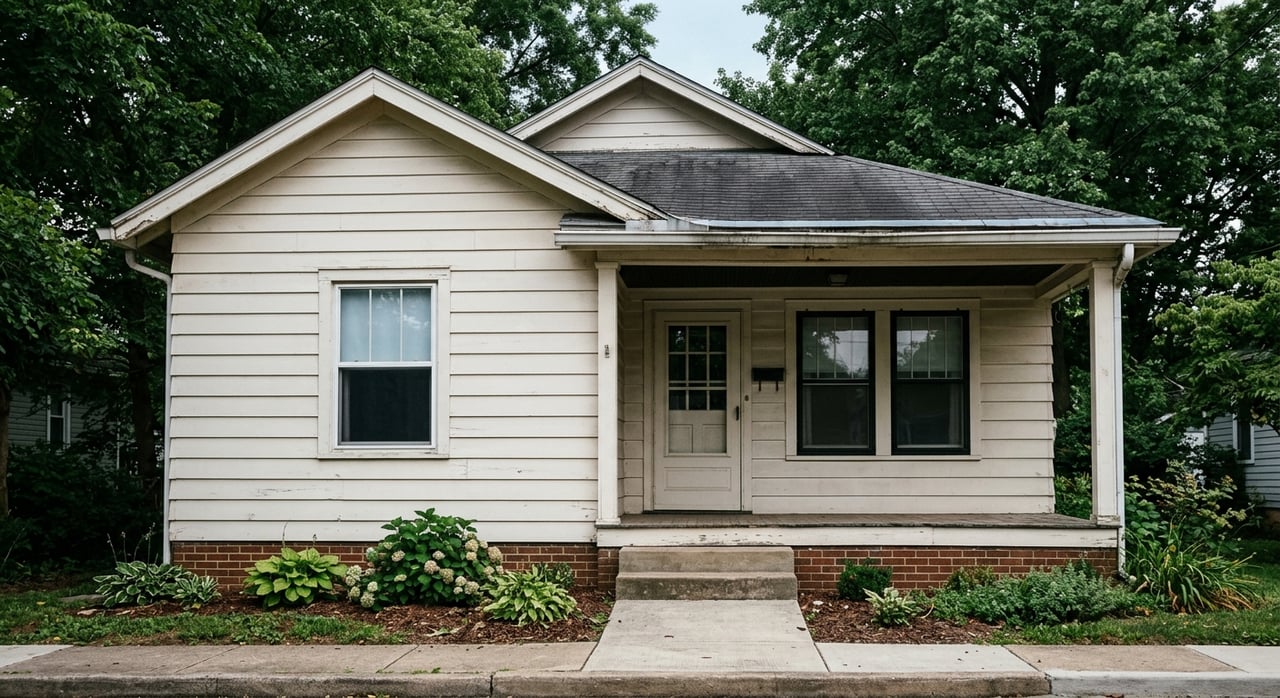
Belle Fourche’s housing stock is mostly made up of older homes, with single-family properties leading the mix. According to the city’s 2025 housing needs assessment, 61% of homes were built before 1980, and 74.6% of owner-occupied homes are single-family detached.
That same report shows 17.5% of owner-occupied homes are mobile homes, and 71% of homes have two to three bedrooms. It also notes that 56% of owner-occupied homes were valued under $200,000, with a median owner-occupied value of $188,800.
From a lifestyle and search perspective, that means you will often find practical, established housing rather than large volumes of brand-new construction. The city also reports shortages in entry-level, rental, workforce, senior-friendly, and multifamily housing, with no additional multifamily construction identified since the 2021 update.
If you love older architecture and a more classic in-town setting, Belle Fourche’s historic core is the strongest match. The downtown commercial area centers on State Street and 5th Avenue, where the Belle Fourche Commercial Historic District covers 500 to 620 State Street and 608 to 622 5th Avenue.
The Tri-State Museum notes that downtown Belle Fourche still carries an early-1900s architectural feel. For buyers who want charm and a more vintage streetscape, this part of town often provides that sense of history.
Two documented homes help show the style associated with Belle Fourche’s older residential areas. The Charles and Eleanor Small House at 825 Fifth Ave. is described by the National Park Service as a late-19th-century Queen Anne dwelling, and the Fred S. Harris House at 826 State St. is also listed as Queen Anne.
In practical terms, this area is a good fit if you are looking for older houses, original-townsite block patterns, and a more historic overall feel. Homes in and around the core may appeal to buyers who value character and central access over newer layouts.
Outside the historic core, Belle Fourche also has more traditional in-town residential areas shaped by current zoning. The city’s Single-Family Residential District standards are intended for moderately sized lots and a traditional single-family neighborhood character.
City planning materials show a 7,000-square-foot minimum lot area and 50-foot minimum lot width in this district. That gives you a useful baseline if you are comparing lot size, yard space, and overall density in established residential sections of town.
These neighborhoods may feel familiar to buyers who want an in-town location without necessarily being in the oldest part of Belle Fourche. You may see a mix of established homes, straightforward street layouts, and easy access to core services.
If you want to stay in town but keep your search more flexible, Belle Fourche’s Small Lot Single-Family Residential District is worth understanding. According to the same city planning materials, this district is aimed at residential infill that remains compatible with neighborhood character.
The district allows a 4,000-square-foot minimum lot area, a 50-foot minimum lot width, and up to 50% lot coverage. Allowed uses include single-family detached homes, duplexes, attached homes, and manufactured home residential dwellings.
For you as a buyer, that can translate into more compact in-town options and a potentially more budget-flexible entry point compared with larger-lot residential areas. It also helps explain why some parts of Belle Fourche may feel a little denser while still staying clearly residential.
If space is your priority, the edges of Belle Fourche create a very different experience from the town core. The city’s Rural Residential District is designed for large-lot, single-family detached homes with open space and light agricultural accessory uses.
Zoning materials show an 80,000-square-foot minimum lot area, 140-foot minimum lot width, and 20% maximum lot coverage. That points to a more spacious, lower-density setting for buyers who want breathing room.
Belle Fourche also has an Agricultural District on the fringe of the urban area for land currently used for agricultural purposes and expected to urbanize in the future. That district has a 20-acre minimum lot area and 10% maximum lot coverage.
If you are looking for privacy, room for outbuildings, or hobby-ag potential, the outskirts and rural-residential edges are usually the best match. The tradeoff is that you are typically farther from the concentration of everyday amenities in the center of town.
One of the easiest ways to understand Belle Fourche’s neighborhood differences is to look at where key community amenities are located. The Tri-State Museum and Visitor Center is at 415 5th Ave., the Belle Fourche Public Library is at 905 5th Ave., and the Belle Fourche Rec Center is at 1111 National St.
The library includes a South Dakota Room and local-history materials, while the rec center says it offers indoor courts, an aquatics center, group fitness, and community-event space. Because these amenities cluster near the middle of town, homes closer to State Street and 5th Avenue generally have shorter access to day-to-day destinations.
That does not make one area better than another. It simply means your experience may differ depending on whether you value central convenience, a traditional residential setting, or more land and privacy.
When you search in Belle Fourche, it helps to think in terms of lifestyle first and floor plan second. A historic-area home may offer character and a central location, while a traditional in-town property may give you a familiar neighborhood pattern and moderate lot size.
A compact infill setting may work well if you want to stay in town and keep options open across different property types. On the other hand, a rural-residential or fringe property may be the better fit if you want extra elbow room, open views, or land-related use potential.
The right choice depends on how you want to live day to day. If you want help comparing in-town homes, edge-of-town properties, or acreage opportunities around Belle Fourche, Falina Selchert can help you narrow your search with local insight and clear guidance.

Get assistance in determining current property value, crafting a competitive offer, writing and negotiating a contract, and much more. Contact Falina today.