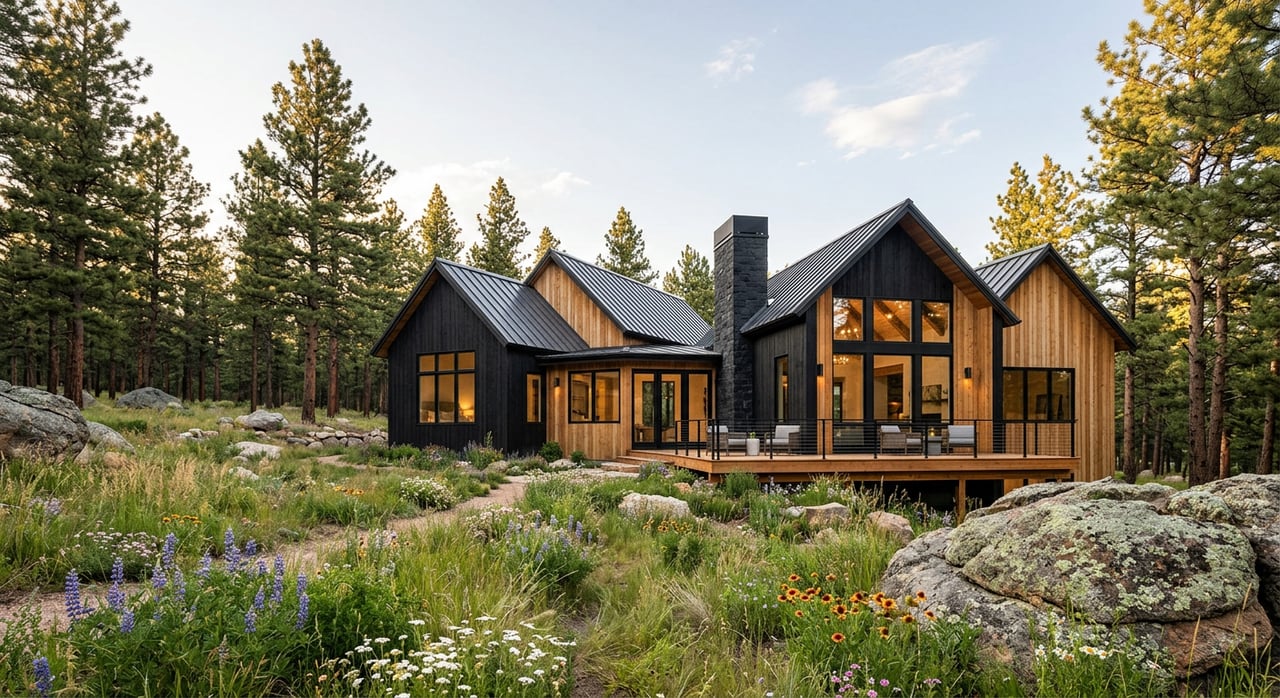
Guide to Buying Spearfish Canyon Land to Build Your Home
March 24, 2026
March 24, 2026
Picture yourself waking up to limestone cliffs, the sound of Spearfish Creek, and trailheads minutes from your door. If you are thinking about buying land and building near Spearfish Canyon, you already know the views are unmatched. What you may not see yet are the critical steps that protect your budget and timeline. In this guide, you will learn the local rules, permits, utilities, access details, and red flags unique to 57783 and Lawrence County so you can move forward with confidence. Let’s dive in.
Before you fall in love with a parcel, confirm its zoning and minimum lot size. In much of unincorporated Lawrence County, a common baseline is 2 acres minimum where a residence will be placed and 1 acre where no residence exists. Some rural and agricultural districts require larger minimums, sometimes 8 to 10 acres. Always verify the district for the exact parcel, along with setbacks and any overlays, using the county’s zoning ordinance. You can review the rules in the county’s Zoning Laws PDF and confirm details for a specific lot with the Planning & Zoning office.
If a parcel sits inside a municipal boundary rather than the unincorporated county, ordinances can differ. Ask Planning & Zoning to verify jurisdiction on day one so you work from the right rulebook.
Most canyon parcels rely on on‑site wastewater systems. Lawrence County requires an Individual Sewage Disposal Permit and an engineer‑stamped septic design letter. The county will not issue a building permit until your sewer design is approved. A state‑licensed installer must complete the work, and the county conducts inspections and requires an as‑built. The form notes a minimum five working days for administrative processing, but you should allow several weeks for site evaluation, engineering, and scheduling.
Creekside or high‑water‑table sites often need engineered solutions, such as mound or aerobic systems. Your septic engineer will confirm soils, percolation, and system type based on county and state technical standards.
Private wells are common. South Dakota requires licensed well drillers, and the state maintains well completion reports you can review. Domestic single‑household wells typically do not require a state water‑right permit, but large capacity or irrigation wells do. For any parcel, verify well yield and recent water quality tests.
Road approach and maintenance can make or break a buildable lot here. If your driveway connects to a county road, you will likely need an approach or occupancy permit from the Lawrence County Highway Superintendent. If you connect to a state highway such as US‑14A in the canyon, a South Dakota DOT access permit is typically required. These approvals can require sight‑distance improvements, culverts, drainage plans, or even owner‑paid upgrades.
For parcels served by private lanes or subdivision roads, read the county’s subdivision regulations closely. The County Commission can limit how many lots may be served by a private access easement, and acceptance of a road into the county maintenance system is not automatic. That makes recorded maintenance agreements and realistic plowing plans essential.
Canyon beauty comes with hydrology. Parcels near Spearfish Creek can sit in FEMA Special Flood Hazard Areas. A flood determination early in due diligence helps you plan for setbacks, foundation type, flood insurance, and any floodplain development permit that may be required. Lenders and insurers will expect clarity here, so do not skip this step.
Spearfish Canyon’s geology is striking, with limestone cliffs and complex formations. Those same features can add build complexity. Steep slopes, shallow rock, and occasional rockfall zones may require a geotechnical evaluation to assess excavation needs, foundation type, retaining walls, and erosion control. Bring in a geotechnical engineer if your lot sits on or below steep slopes.
Soils vary widely. Some areas have shallow or fractured soils that limit conventional leach fields. If soils are marginal, an engineered system is typical. The county’s subdivision regulations also require grading and drainage plans for subdivisions, and similar principles apply when you design a single homesite.
Wildfire risk is an ongoing reality throughout the Black Hills. Federal and local partners run fuels‑reduction and prescribed‑fire projects in and near the canyon. Documenting home hardening and defensible space plans can help during insurance and lending. Ask about recent or planned fuels projects near any parcel you are considering.
Electric service is widely available around Spearfish, but capacity and line‑extension costs depend on the distance to existing infrastructure. Black Hills Energy coordinates trench and conduit inspections for new service. If your build requires a long lateral, factor both time and cost into your budget.
Broadband is highly location dependent. Spearfish has seen fiber investments, and Midco announced a next‑gen fiber upgrade program in the city. Canyon topography can limit availability, so confirm serviceability at the parcel address. Many remote owners use fixed wireless or satellite as a fallback.
Propane is common for heat, and many canyon homes add a standby generator or battery backup. If remote work or medical needs are part of your life, plan your power contingency early.
Every site is different, but a few themes can shape your budget and calendar:
Approximate timelines vary by parcel and season:
Use this list before you remove contingencies:
Spearfish Canyon parcels reward careful planning. A local, canyon‑experienced agent can quickly pull county records, spot zoning and floodplain red flags, coordinate early calls with Planning & Zoning and the highway superintendent, and assemble the right team of surveyors, engineers, drillers, and builders. That coordination keeps your due‑diligence window productive and your budget protected.
If you are ready to walk lots, pressure‑test a build plan, or weigh land options against existing homes, connect with Falina Selchert. As a Black Hills native with land and lifestyle experience, Falina will help you start living your vision, schedule a consultation today.

Get assistance in determining current property value, crafting a competitive offer, writing and negotiating a contract, and much more. Contact Falina today.