How to Price a Spearfish Canyon Home in 57783
March 5, 2026
March 5, 2026
Thinking about selling in Spearfish Canyon and not sure where to start your price? You are not alone. Canyon homes are unique, and the right list price depends on location on the byway, access, utilities, and documents you can show a buyer. In this guide, you will see how local data and canyon‑specific factors translate into a clear price range so you can move forward with confidence. Let’s dive in.
Recent trackers show a wide spread between a higher median list price (around the low $600,000s) and lower typical home values (mid $400,000s). Median sale prices have often landed near the upper $400,000s, with some month‑to‑month swings. Inventory has been a few hundred listings at times, and days on market can be around three months or more depending on how DOM is measured.
Why the gap? Listing medians, value indexes, and closed sales measure different things. The most reliable starting point for your price is a local Comparable Market Analysis that pulls recent closed sales from the Mount Rushmore MLS. Ask your agent to include actives and pendings so you see both the competition and the momentum in real time. You can preview the MLS platform at the Mount Rushmore MLS.
In the canyon, small distances matter. Upper versus lower canyon, proximity to Bridal Veil or Roughlock pullouts, and walkable access to trailheads all influence buyer demand. Direct creek frontage or dramatic canyon views often command premiums because the area is a major regional recreation draw. For context on local recreation features, explore the Spearfish area overview from the Forest Service’s Black Hills National Forest page.
Usable acreage, slope, and driveway feasibility affect both value and buyer confidence. Steeper or irregular lots reduce buildable area and increase site work costs (retaining walls, septic siting). On the flip side, private, forested acreage or creek frontage can lift value. Buyers will weigh scenery against function, so note any engineering, perc tests, or grading work you have completed.
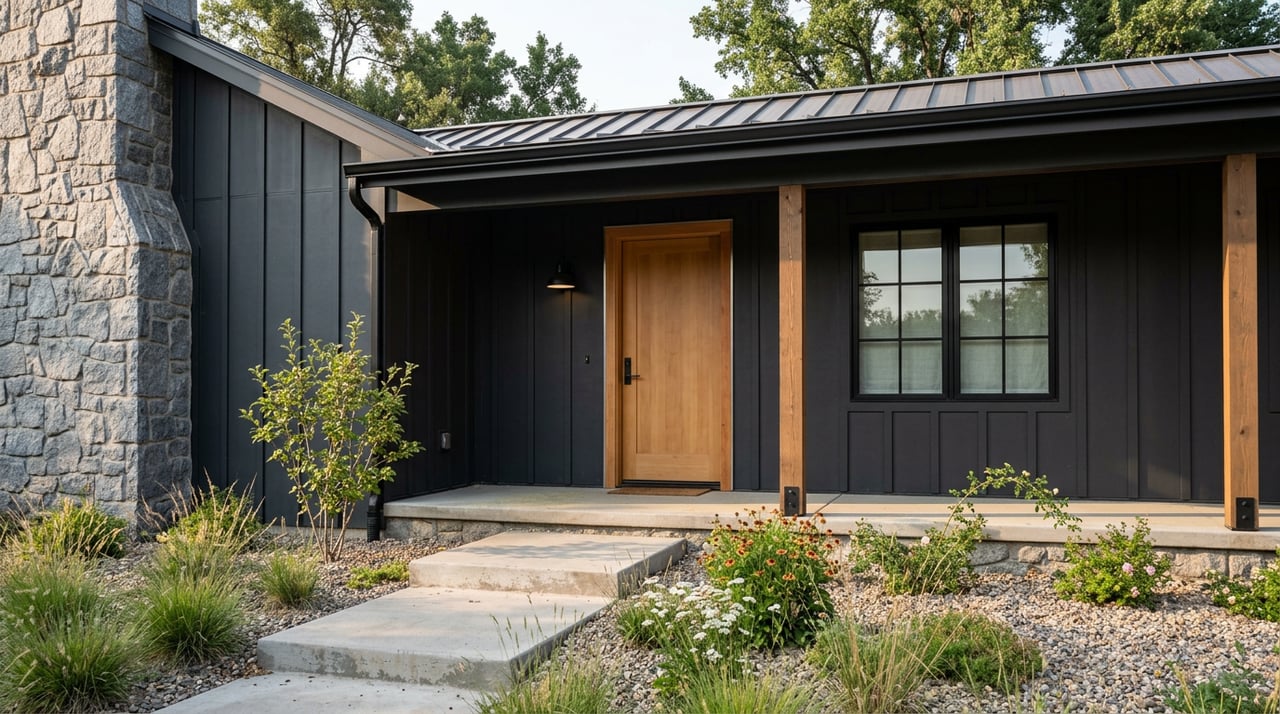
You see a mix of rustic cabins, contemporary mountain homes, and newer subdivision builds. Condition and permitted improvements matter a lot in the canyon. Buyers typically pay more for move‑in ready homes with documented permits and recent system upgrades.
Private roads, plowing agreements, wells and septic systems, and propane or generator setups are common. Clear legal access and proven year‑round maintainability broaden your buyer pool. If you are unsure how these factors shape buyer expectations, this quick primer can help: the Spearfish Canyon cabin and second‑home guide explains utilities, access, and seasonal use in plain terms.
Some cabins sit on Forest Service land with special‑use permits. These are not fee‑simple land sales and have transfer, rental, and rebuild limits that change financing and appeal. If this could apply to your property, review the program rules in the Forest Service’s recreation‑residence guidance and gather your permit records before pricing.
Spearfish updated its floodplain maps effective March 22, 2023. Creek‑edge parcels may have new insurance or permit requirements that affect pricing and time to close. Check your status with the City’s floodplain maps and guidance. Wildfire risk and fuels work in the Black Hills are also part of buyer due diligence, and some insurers will ask about defensible space.
If your parcel lies in a Special Flood Hazard Area, buyers may need flood insurance and certain improvements may require permits. Confirm early using the City’s floodplain maps and be ready to answer questions.
Lawrence County requires an Individual Sewage Disposal Permit and engineered design for septic systems. Missing permits, unknown system age, or failing components reduce your buyer pool and invite lower offers. Review the county’s guidance in the Lawrence County FAQ and gather as‑built and inspection records.
South Dakota requires licensed drillers and well completion reports. Provide your well report and recent water tests for bacteria and nitrate (consider arsenic screening in the Black Hills). You can look up records through the state’s well logs search.
If your cabin is on federal land with a recreation‑residence permit, collect the special‑use authorization, fee history, and your Operation and Maintenance Plan. Share the Forest Service’s program rules with serious buyers to set clear expectations.
Agents and appraisers prioritize recent closed sales of similar properties, then adjust for differences in location, lot, view, condition, and amenities. Each adjustment should be backed by market evidence, not guesswork. For a deeper look at supportable adjustments, see this overview from Working RE.
Canyon properties are often one‑of‑a‑kind. When closed sales are thin, pros may supplement with the cost approach (replacement cost minus depreciation) or, for income‑producing cabins, an income approach. The sales comparison approach still leads when adequate local sales exist, but the other methods help cross‑check the range.
Use these ranges as a starting framework only. Your final list price should be driven by a current MLS‑based CMA and your property’s documents and condition.
These bands overlap because the canyon includes both in‑town contexts and more remote inholdings. Creek frontage, usable acreage, year‑round access, and documented improvements can move you up the band. Missing permits, uncertain access, or deferred maintenance can move you down.
Gather your records. Before your listing appointment, collect: deed and title report, survey or plat, tax bill, any HOA or road‑maintenance agreement, septic permit and as‑built (see Lawrence County FAQ), well completion report and recent water tests (use the state’s well logs search), building permits and receipts for major work, floodplain determination from the City’s map portal, and any Forest Service special‑use documents.
Request a local CMA. Ask two agents who regularly sell in Spearfish Canyon for CMAs anchored to the last 90 to 180 days of closed sales, with pendings and active competition included. Confirm the data source is the Mount Rushmore MLS. You can reference the Mount Rushmore MLS to understand the market’s coverage.
Consider a pre‑listing checkup. If your roof, foundation, well, or septic could be concerns, a pre‑listing inspection or targeted contractor evaluation can remove buyer guesswork. Fixing functional issues often delivers better ROI than cosmetic tweaks.
Set a smart asking price. Choose a narrow target around the CMA’s supported sale price (include a small negotiation cushion). If momentum is rising and direct comparables are scarce, you can list near the top of the supported range. If inventory is building or your property has functional gaps, list near the middle or slightly below to maximize showings.
Monitor the first 7 to 21 days. Serious buyers usually surface early. If you are not getting relevant traffic or offers, adjust price or terms quickly rather than waiting out the market.
Market the canyon story. Lead with what buyers value locally: creek frontage and view lines, documented access and winter plowing, permitted improvements, well and septic records, and proximity to trailheads and waterfalls. Strong visuals and clear documentation help justify top‑of‑range pricing.
Seasonality matters in the canyon. Summer and especially fall leaf‑peeping (late September to early October) bring more out‑of‑area eyes, while local buyers shop year‑round. For a feel of peak interest times, see the regional highlights from Black Hills Parks & Forests Association.
Buyers will discount for unknowns like missing permits, unclear access, or untested wells and septics. Conversely, a complete and organized disclosure package reduces friction and supports your asking price. Appraisers and lenders lean on closed sales with similar constraints, so provide a clear evidence trail to keep value intact.
Here is a simple way to frame your plan when you speak with an agent: “I know national indexes vary, so I brought my septic, well, floodplain, and any Forest Service paperwork. I would like an MLS‑based CMA with recent canyon sales and clear adjustments for creek frontage, view, access, and condition. I understand buyers pay premiums for scenery and deduct for access or missing permits, and I want to price where the evidence and the market support the goal.”
Ready to set the right price and get your listing market‑ready? Connect with Falina Selchert to request a free valuation or schedule a consultation.

Get assistance in determining current property value, crafting a competitive offer, writing and negotiating a contract, and much more. Contact Falina today.