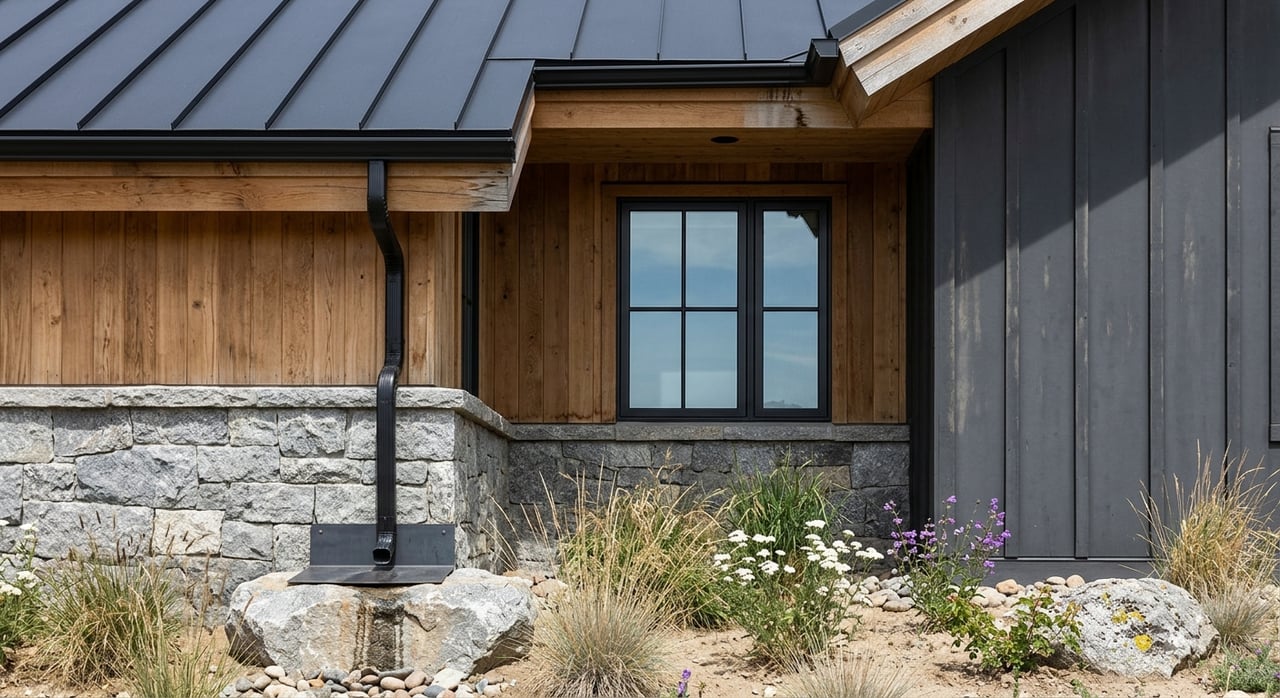
Belle Fourche Seasonal Home Maintenance Checklist
May 21, 2026
May 21, 2026
If you own a home in Belle Fourche, you already know the weather does not stay mild for long. Between cold winters, spring snowmelt, dry summer stretches, and windy conditions, small upkeep tasks can turn into bigger repairs if you put them off. This seasonal checklist will help you stay ahead of the work, protect your home through the year, and focus on the maintenance items that matter most in Belle Fourche. Let’s dive in.
Belle Fourche sees a wide range of weather during the year. NOAA climate normals for 1991 through 2020 show average January temperatures around 36.5°F for highs and 12.9°F for lows, while July averages reach 87.3°F and 59.7°F. The area also averages 17.99 inches of precipitation annually and about 42.2 inches of snowfall.
That mix creates a very specific maintenance rhythm. Your home may need freeze protection in winter, drainage checks in spring, landscape attention in summer, and weather sealing again in fall. A season-by-season plan makes it much easier to stay organized and catch issues early.
Winter in Belle Fourche can put stress on your heating system, roof, siding, and exterior surfaces. The goal is to keep your home warm, safe, and protected during long stretches of cold and snow.
Schedule a furnace or heat pump check in the fall before the cold season settles in. During the heating season, clean or replace filters monthly so your system can run more efficiently and with less strain.
This is one of the simplest tasks on the list, but it matters. A well-maintained system can help you avoid mid-winter breakdowns when you need heat the most.
Check doors and windows for air leaks, then weatherstrip and caulk where needed. South Dakota State University Extension also recommends confirming that attic insulation is adequate before sustained cold arrives.
These steps can help reduce heat loss and may lower winter utility bills. They can also make your home feel more comfortable during windy cold snaps.
Before you use a fireplace for the first time each season, inspect the fireplace and chimney. It is also smart to make sure the surrounding area is clean and ready for safe use.
If you have outdoor furniture, grills, or equipment still outside, winter is not the time to leave them exposed. Store them or cover them before snow and ice build up.
After major snowstorms, do a visual check from the ground. Look for sagging rooflines, buckled siding, or any other signs that snow weight may be stressing the structure.
If you see those warning signs, do not enter the structure or climb onto the roof. Call a professional instead.
Spring in Belle Fourche is more than a fresh start. It is also the season when melting snow, wet ground, and winter debris can reveal problems that were hidden for months.
As snow melts, watch for water collecting around your foundation. SDSU Extension recommends moving snow away from the foundation, checking gutters and downspouts, keeping window wells clear, and making sure sump pumps and outlet pipes are working and not frozen.
This is an important time to look closely at drainage. A small issue in early spring can become a basement water problem fast.
If water does get into the basement, quick action helps. For small to moderate amounts of water, fans, a dehumidifier, or a wet/dry vac may help manage the problem.
Avoid dumping water into floor drains. Focus instead on drying the space and addressing the source of the water.
Take a slow walk around your property once conditions improve. Check gutters, siding, and visible drainage points for winter damage or buildup.
This is especially useful in a place that sees snow, spring thaw, and windblown debris. Catching cracked sections, loose materials, or blocked drainage points early can save you time and money.
Belle Fourche’s dry and windy conditions can lead to snirt, which is windblown soil mixed with snow or leftover grime after winter. Spring is a good time to wash exterior surfaces and look for erosion or bare spots in the landscape.
If you notice exposed areas around the yard, take note before spring rains move more soil. Ground cover and landscape maintenance can help limit future wear.
Summer brings a new set of priorities. With warmer temperatures and drier conditions later in the season, your attention shifts to cooling systems, landscape stress, and reducing fire risk near the home.
Check your cooling equipment in spring or early summer before hot weather peaks. As with heating season, clean or replace filters monthly so the system can run properly.
This simple routine can help your system keep up during hot Belle Fourche days. It is easier to handle maintenance early than to react during a heat wave.
Belle Fourche gets relatively low annual precipitation, and July and August are drier than May and June based on NOAA normals. That means summer is a key time to watch irrigation needs and look for signs of plant stress.
Pay extra attention to newer plantings and exposed areas. Dry soil, browning grass, and struggling shrubs can all signal that your landscape needs more consistent care.
In western South Dakota, wildfire risk is a real maintenance concern. SDSU Extension notes that the Black Hills National Forest has averaged 92 wildfires and about 7,507 acres burned annually over the past 30 years.
For homes with grass, shrubs, or trees near the structure, keep the immediate area next to the home fuel-free. Clean gutters and roof surfaces regularly, move firewood away from the house, and thin or prune plants in the broader defensible-space areas around the property.
Fall is your reset season. It is the best time to prepare your home for cold weather again and to wrap up outdoor tasks before winter returns.
Use fall to get your furnace or heat pump ready before the first hard freeze. This is also the time to restart monthly filter checks during heating season.
If you wait until temperatures drop, service calls may be harder to schedule. Early maintenance gives you a better chance to catch issues before they become urgent.
Fall is the right season to complete weather stripping, caulking, and storm-door or storm-window prep. These winterizing steps are specifically recommended for South Dakota homes.
Think of this as your final draft check before cold air arrives. A few small fixes now can make winter easier on both your home and your budget.
Bring outdoor furniture and grills into storage, or protect them with covers before snow arrives. Fall is also a smart time to clean and service mowers, trimmers, and snow blowers.
Doing this work before the first snowfall can help equipment last longer and be ready when you need it. It also helps keep your yard and storage areas more organized heading into winter.
For Belle Fourche and the broader Black Hills area, fall is a good time to reduce dry vegetation, clear gutters, and trim plants near the house. This helps limit damage from winter wind and snow while also reducing leftover fuel near the home for the next warm season.
It is a practical step that supports both property upkeep and seasonal safety. Even a short afternoon of yard work can make a difference.
The easiest way to handle home maintenance is to break it into small seasonal tasks instead of treating it like one big annual project. Belle Fourche’s climate changes quickly through the year, and your maintenance plan should change with it.
A checklist also helps if you plan to sell in the future. Well-kept homes often show better, photograph better, and give buyers more confidence when they tour a property.
If you want guidance on what buyers tend to notice in the Belle Fourche market, or you are thinking about preparing your home for a future move, Falina Selchert can help you start living your vision with a free market valuation or consultation.

Get assistance in determining current property value, crafting a competitive offer, writing and negotiating a contract, and much more. Contact Falina today.